

BLOGSCybersecurity Blind Spots Leave Alberta Farms Exposed to Growing Threats

Old tech is becoming a modern danger for Alberta farmers. Because older farming systems weren’t designed to fight off hackers, they have become easy targets for cyberattacks.
In October 2025, the RCMP warned that attackers had hijacked grain-drying systems, changing settings that could lead to spoiled harvests or fires. The same federal alert noted similar attacks on water facilities and oil companies.
The goal isn't just disruption; it’s money. Attackers are increasingly using ransomware to freeze operations, forcing farmers and utility operators to pay up to regain control of their own machinery.
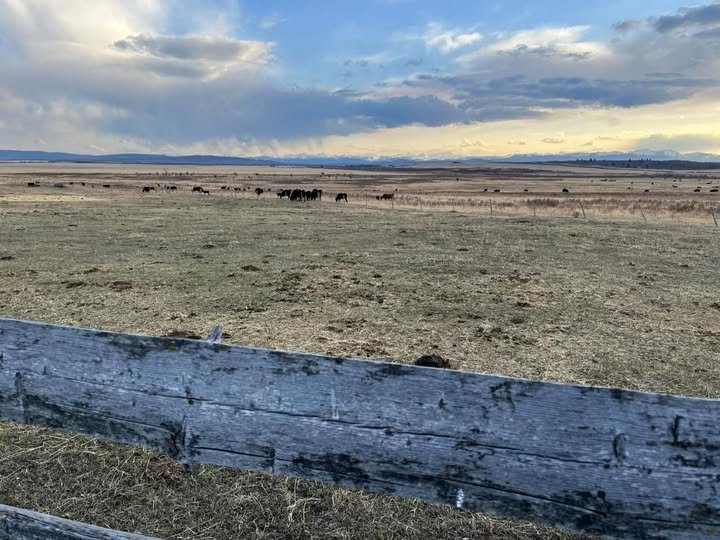
Introducing one of the largest ranches in Southern Alberta: The McIntyre Ranch
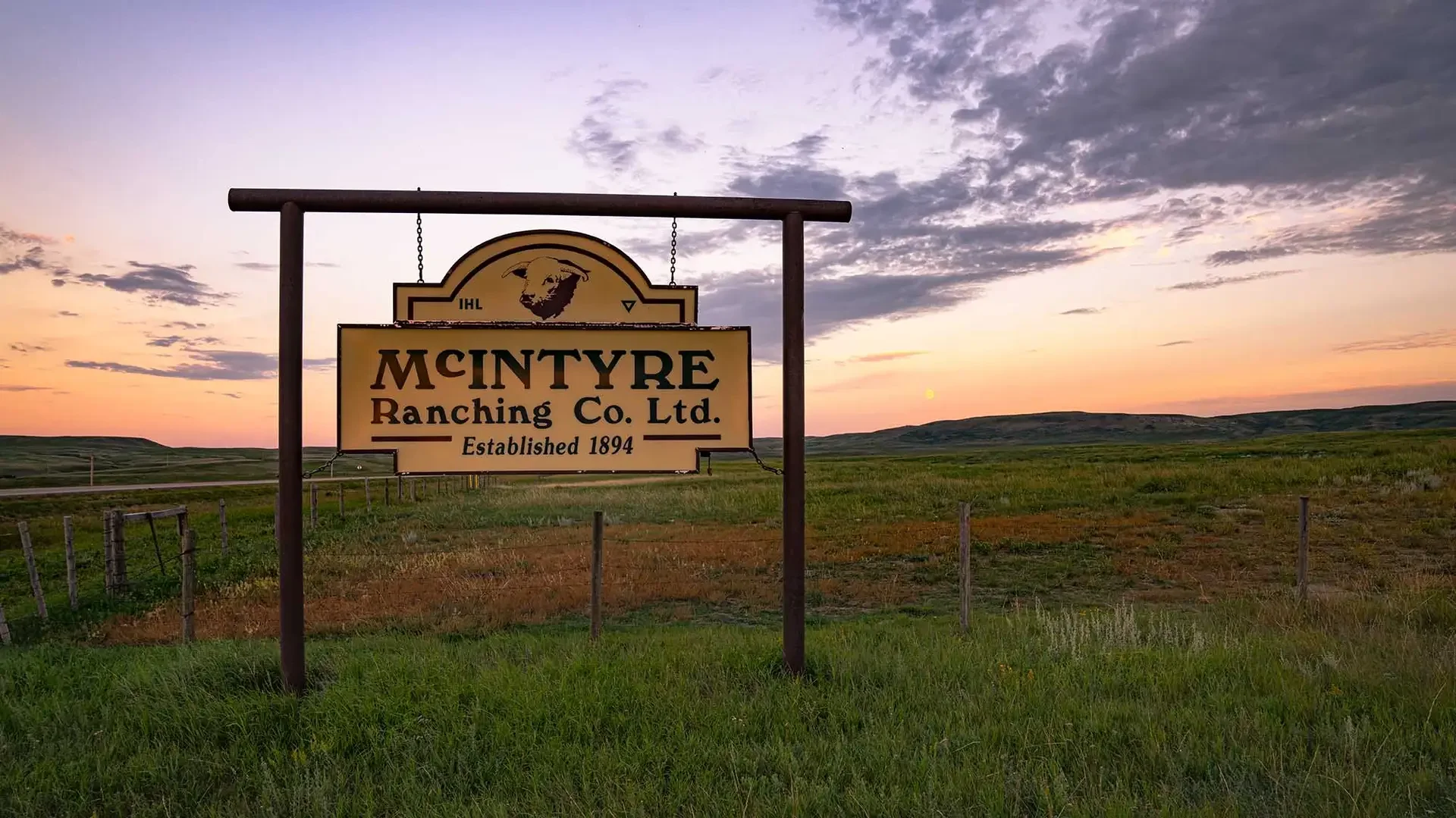
McIntyre Ranch is a historic and expansive cattle ranch in southern Alberta, roughly 40 km south of Lethbridge, spanning over 22,000 hectares (about 54,000 acres) of native prairie grasslands and wetlands. It was established in 1894 by William McIntyre and later purchased in 1947 by the Thrall family, who still own and operate the property today. The ranch is one of the largest contiguous blocks of native grassland left in Canada, supporting rich biodiversity with more than 150 species of birds, mammals, amphibians, reptiles and fish, including several species at risk. In collaboration with Nature Conservancy of Canada (NCC) and Ducks Unlimited Canada, the Thralls placed the ranch under a permanent conservation easement, the largest private conservation agreement in Canadian history, ensuring its grasslands and wetlands are protected from development, cultivation or industrial use while continuing sustainable grazing operations.
THE DIFFERENCE BETWEEN
FREEHOLD AND LEASEHOLD
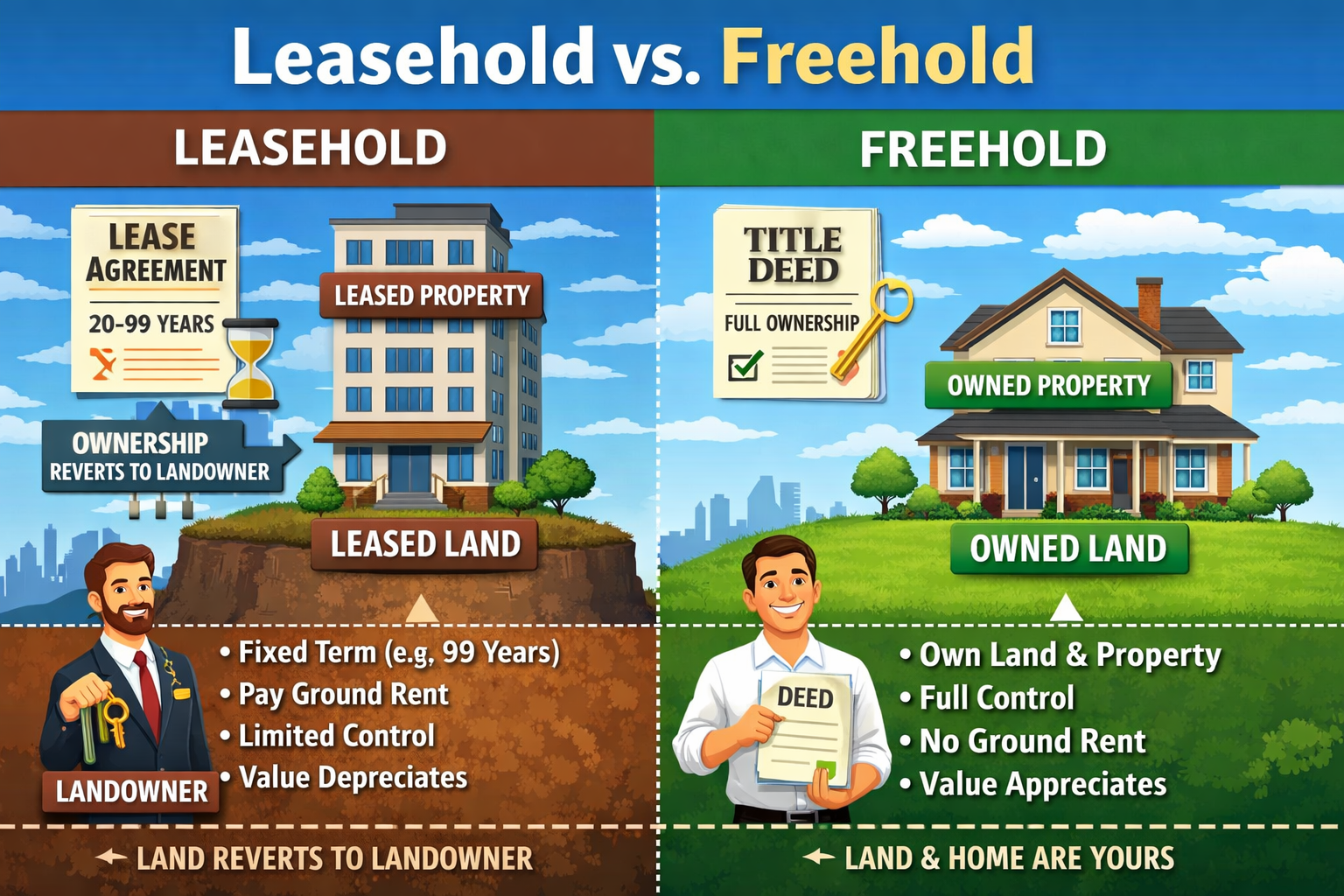
Freehold means you own the land and the building on it outright, indefinitely. You control it, can sell it, develop it (subject to zoning), mortgage it, and pass it on. There is no time limit on your ownership.
Leasehold means you do not own the land. You own the right to use the land for a fixed period of time under a lease from the landowner (often 20–99 years). When the lease expires, control of the land — and sometimes the improvements — can revert to the landowner unless renewed.
Key differences for land:
Control: Freehold = full control. Leasehold = limited by lease terms.
Value: Freehold land generally holds higher and more stable value. Leasehold value declines as the lease term shortens.
Financing: Lenders prefer freehold; leaseholds can be harder to finance.
Development: Leasehold development must comply strictly with lease permissions.
Exit: Selling leasehold depends on remaining term and landlord consent.
In land deals, freehold is ownership; leasehold is permission for time.
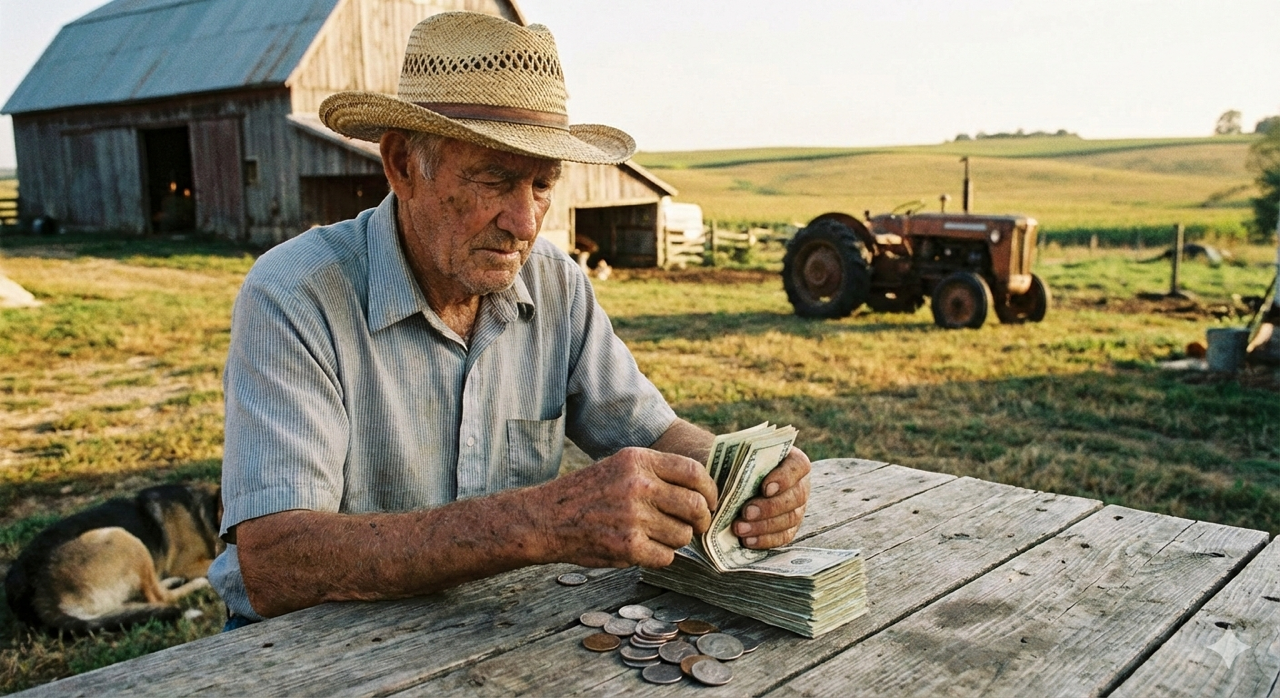
GENERATING INCOME FROM YOUR LAND
Land doesn’t have to sit idle. Many owners generate income while holding property for long-term appreciation.
Agricultural leases (farming, grazing, hay) offer steady, low-risk income with minimal management.
Interim uses like equipment storage, RV parking, or seasonal activities can produce short-term cash flow without permanent development.
Billboard or signage leases work well on high-traffic roads and can provide strong passive income.
Cell towers and utility easements often pay long-term, predictable rent while using very little land.
Industrial or commercial yard leases can generate higher income but require proper zoning, insurance, and access.
Some owners choose land banking, holding property purely for future value growth, but this means covering taxes and costs with no income.
Key factors include zoning, access, visibility, liability, lease flexibility, and exit strategy.
The right cash-flow option depends on your location, risk tolerance, and long-term goals.
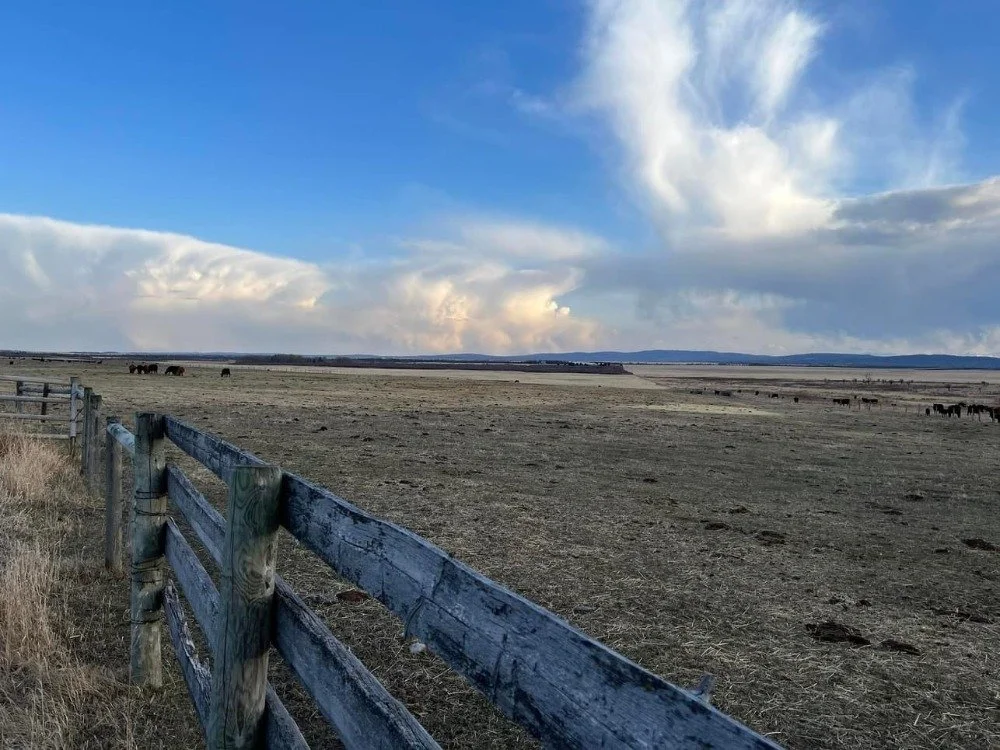
2025 Year in Review Commercial, Residental and Industrial Land in Calgary
and Southern Alberta

.
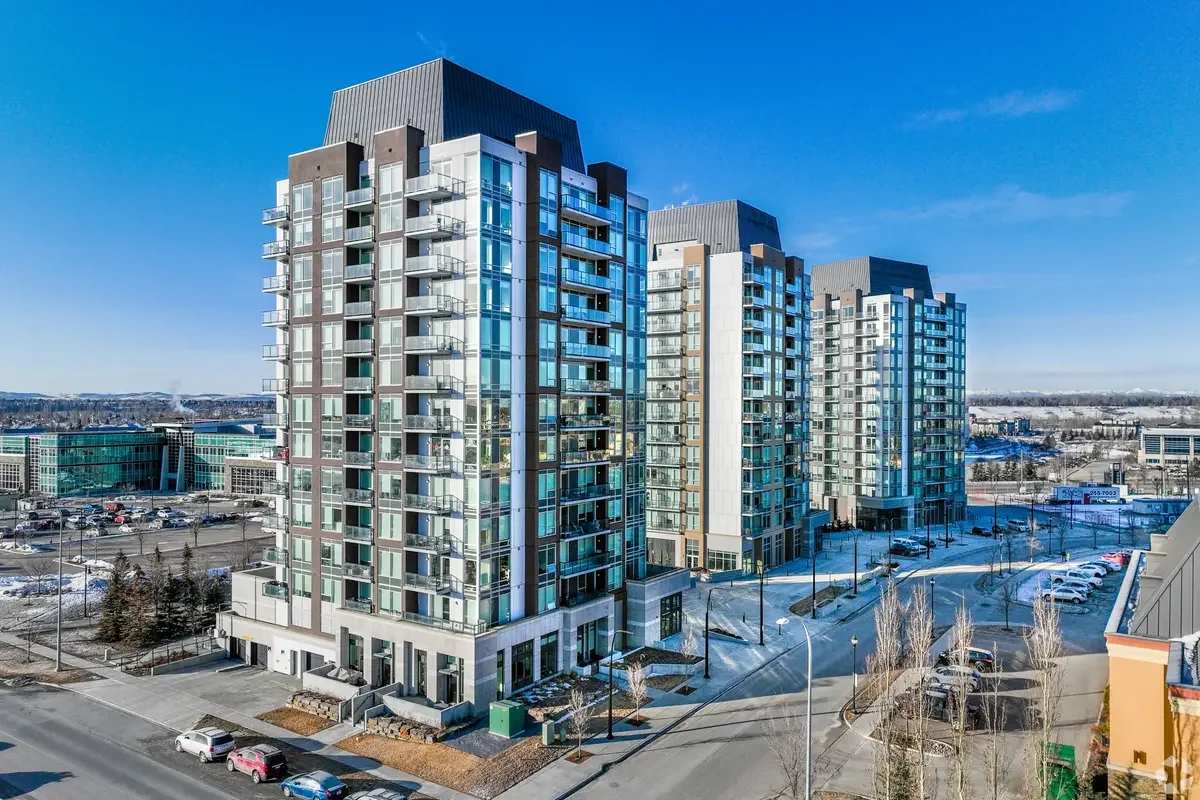
In 2025, Calgary’s real estate landscape reflected both steady fundamentals and cautious investor behaviour. Residential markets moderated after prior overheated conditions: sales volumes declined, listings rose significantly, and benchmark prices eased modestly year‑over‑year, signaling a shift toward a more balanced market with increased buyer choice and less price escalation pressure. Inventory growth outpaced sales, particularly in apartment and row home segments, while detached and semi‑detached prices remained relatively firm. This moderation followed strong housing starts and sustained population growth that had driven rapid multi‑family construction earlier in the year.
In the commercial sector, investor caution tempered activity. Overall transaction volumes were weaker compared to 2024, with land deals contracting sharply as developers and investors paused amid macroeconomic uncertainty and higher capital costs. Office and retail segments remained challenged in certain areas, though some suburban office leasing showed resilience. Calgary’s multi‑family and core commercial assets continued to attract institutional interest, supported by fundamentals in large rental portfolios.
The industrial land and property market was a standout. Industrial land values and leasing activity remained strong, with low vacancy, significant net absorption, and ongoing development of large logistics parks. Calgary’s strategic positioning as an inland logistics hub, aided by projects like the Prairie Economic Gateway, reinforced demand for industrial land despite broader economic headwinds.
Overall, 2025 in Calgary real estate was a year of adjustment, with residential cooling, cautious commercial land investment, and robust industrial growth shaping the region’s property market.
About Subdivisions
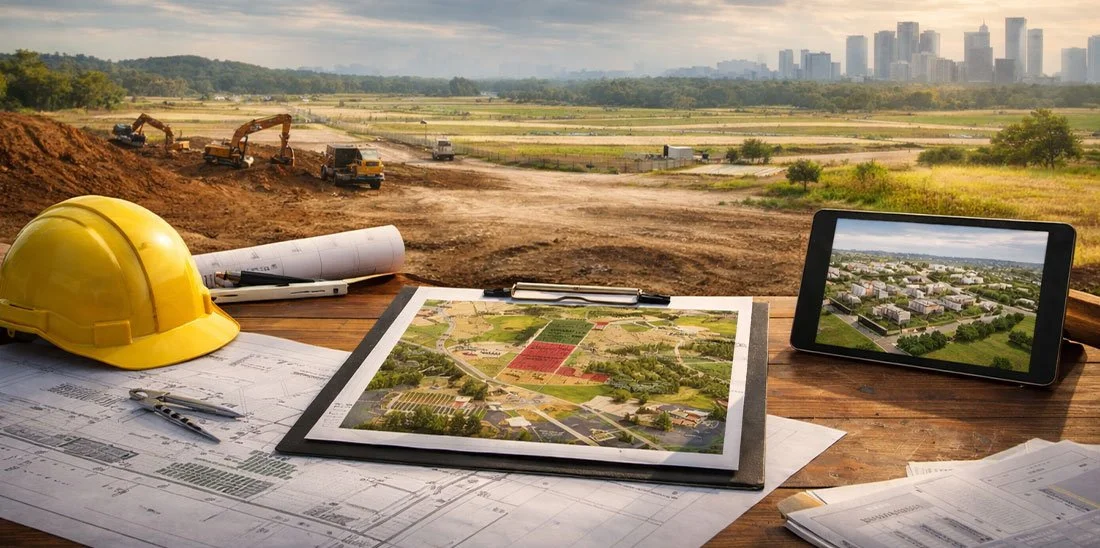
Subdividing land depends on zoning, title constraints, and municipal approval. The parcel must meet minimum size, frontage, and density rules, have legal access, and allow for servicing (water, sewer, roads). Title issues like easements or restrictive covenants can block subdivision. Environmental factors (floodplains, wetlands, slopes) may limit buildable area. Costs for surveys, engineering, levies, and infrastructure must be financially viable. Finally, the market demand for the new lots determines whether the subdivision is worth pursuing.
Cashflow for Landowners

Landowners can generate cash flow from their property in several practical ways, depending on location, zoning, and land type.
Agricultural leasing is the most common—renting land to farmers for crops, grazing, or hay production provides steady annual income.
Development or option agreements allow builders to pay for the right to buy or develop land in the future.
Utility and infrastructure leases (cell towers, power lines, pipelines, solar or wind projects) can produce long-term, low-maintenance revenue.
Storage, parking, or yard rentals work well near urban or industrial areas.
Resource leases (gravel, sand, or water rights where permitted) can also generate income.
Some owners use land for recreation, such as hunting leases, RV storage, or agritourism.
The best strategy depends on zoning, access, services, and market demand—but even raw land can be turned into a reliable income asset with the right use.
Market update for landowners for January 2025
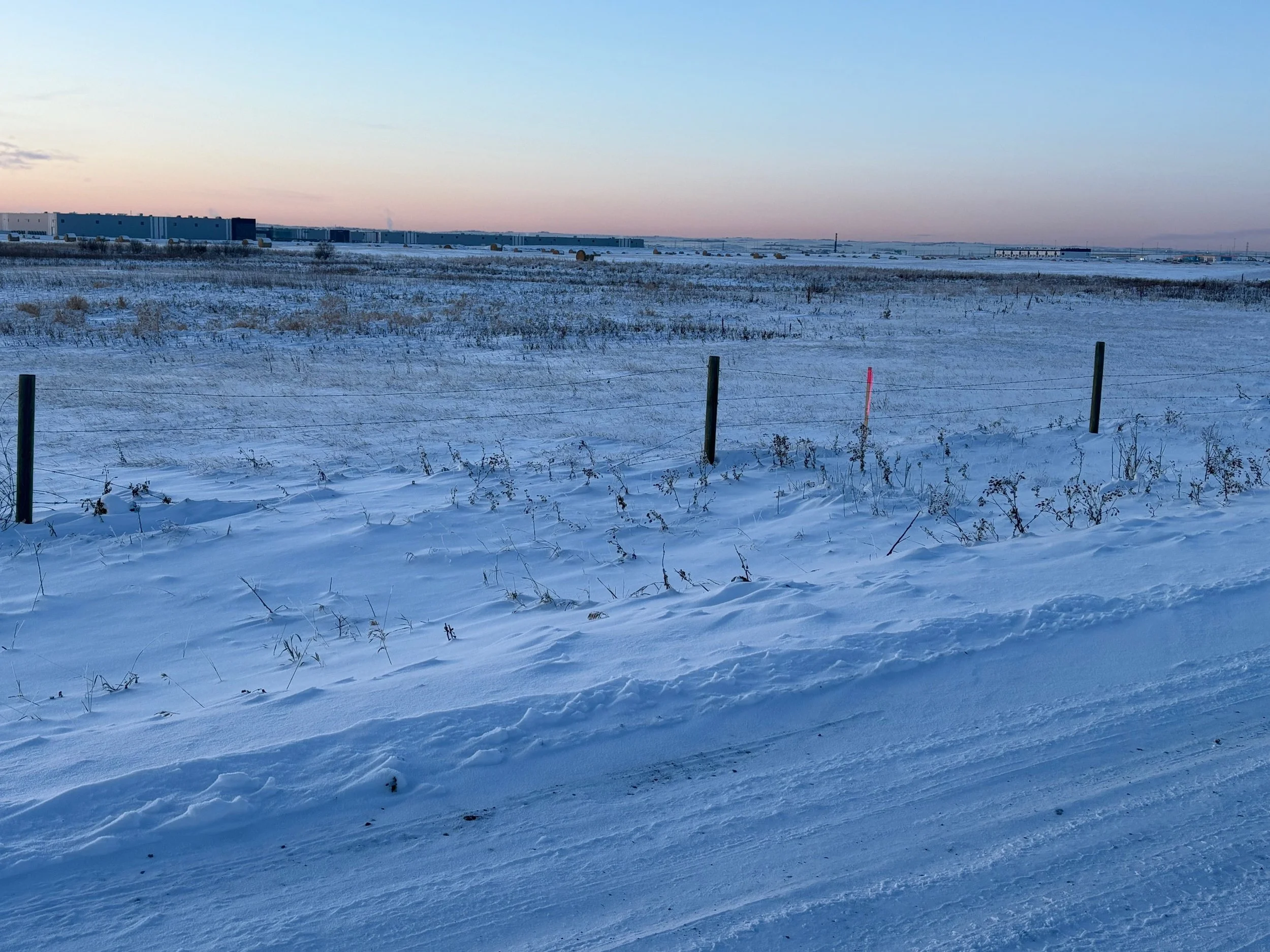
Market update for landowners, in Calgary and Southern Alberta in general for the month of December 2026.
Here’s a focused land-market update for Calgary and Southern Alberta for November 2025 — geared toward landowners, investors, and advisors rather than just residential buyers.
1. Agricultural & Rural Land Values — Still Up Year-Over-Year
Broad reports show Canadian farmland values rising, with Alberta seeing solid increases. Cultivated farmland values climbed about 6% in the first half of 2025, consistent with strong prairie demand.
A more region-specific Alberta report highlights that both Peace Country and Southern Alberta led growth in land values, with increases of ~6.6% over the recent 12-month period.
Takeaway for southern Alberta landowners:
Agricultural land — especially quality tillable parcels — continues to appreciate moderately, driven by limited supply and ongoing investor interest.
2. Acreage & Rural Residential Properties — Softer Activity in November
While not strictly “land” in the agricultural sense, acreage markets give insight into rural residential demand:
Parkland County acreages (north of Calgary):
Sales dropped sharply (~45%) in November 2025 vs. November 2024, and new listings were down ~54%.
Average asking prices rose (~11.5%), but average sale prices dipped slightly and days on market jumped ~75%.
This suggests seasonal slowing and more negotiation room for buyers — but prices remain higher year-to-date overall.
3. Calgary Real Estate Conditions Affect Land Demand
The broader Calgary housing & land context shows trends that also impact landowners, developers, and investors:
Supply Is Rising, Prices Cooling
Total listings across Calgary were significantly higher than last year, especially for higher-density and resale housing.
Benchmark prices are softening across multiple property types, more so in condos and row homes, with detached and semi-detached segments remaining relatively stable but not immune.
A balanced or slightly softer housing market often reduces speculative pressure on land prices near city edges — at least short-term — because buyers have more options.
4. Broader Economic Signals (Agriculture)
While not direct land pricing data, livestock and agricultural production trends influence rural land demand:
Reports indicate softer beef demand affecting certain cattle markets, which could ripple into ranch land values and grazing lease negotiations in southern Alberta.
Ranch and pastureland owners should watch commodity cycles and livestock demand as part of land valuation.
Key Market Themes (November 2025)
Land Value Fundamentals
Farmland values continue to rise year-over-year, though pace varies by region and soil quality.
Southern Alberta remains desirable for both agricultural uses and future development (especially near urban corridors).
Seasonal Slowdown
Acreage sales fell sharply in November — as expected entering winter — and properties stayed on market much longer.
Calgary Inventory Growth
Rising housing and inventory levels can ease short-term pressure on adjacent land pricing.
Investor & Brokerage Activity
New commercial and land-focused brokerage expansions—such as a dedicated agriculture division in Calgary—signal continued professional interest in land markets.
For Southern Alberta Landowners — What to Watch
Near-Term (1–3 months)
Winter seasonality typically means slower sales and longer marketing times for rural and acreage properties.
Buyers may have more negotiating leverage, especially on larger parcels.
Mid-Term (2026)
Monitor FCC farmland value reports, commodity prices (crops & livestock), and interest rates — these are key drivers of rural land demand.
Urban expansion corridors (e.g., towards Calgary, Airdrie, Okotoks) could support demand for development-oriented parcels.
Long-Term
Demographic shifts and investor interest keep quality land in Alberta resilient, but short-term pricing can ebb and flow with market and economic cycles.
Oscar Fech Passed away this year

Oscar Fech was a Calgary-area property developer and real estate entrepreneur known for his involvement in local development and construction ventures. In the early 1970s, he built the commercial building at 1302 4 St. SW in Calgary and opened the Continental Steak House there in 1973, though he sold the restaurant later that same year; that building later became part of Calgary’s social history as the Parkside Continental bar, a notable community venue.
Fech has also been involved in land transactions around Calgary; in one high-profile case he was sued for millions by an Airdrie farmer following the sale of a significant parcel of land northeast of the city, highlighting some of the legal and financial complexities tied to his development activities.
In addition to development, Fech has been active in civic matters, occasionally speaking at public meetings on issues of fairness and accountability.Records show he has operated construction-related businesses under his name in Calgary, though some listings are now closed.
Overall, Fech’s footprint in Calgary encompasses physical development, business ventures, and occasional public engagement in urban and land-use topics.
In 2012 he sold his property near the airport to the City of Calgary for $75.5 million. Oscar Fech passed away on August 10, 2025.
Wishing you a happy, healthy, and prosperous New Year. Thank you for your trust and support— I look forward to helping you achieve your real estate goals in the year ahead.

Merry Christmas everyone!

As we close out another year, I want to take a moment to express my gratitude to all the clients, colleagues and partners who have made this year meaningful. Whether we worked together on finding the perfect parcel, navigating a complex transaction, or simply exploring possibilities for the future, thank you for trusting me with your land investment goals.

Remax House of Real Estate
Christmas party
On Friday, we went to the Remax House of Real Estate Christmas party at the beautiful Calgary Italian Cultural Centre.
Michael Cain, the owner of Remax House of Real Estate, organized a first class party, with a truly delicious buffet, and desserts that were on another level.
For entertainment there was a band and a DJ. It was a truly memorable evening.
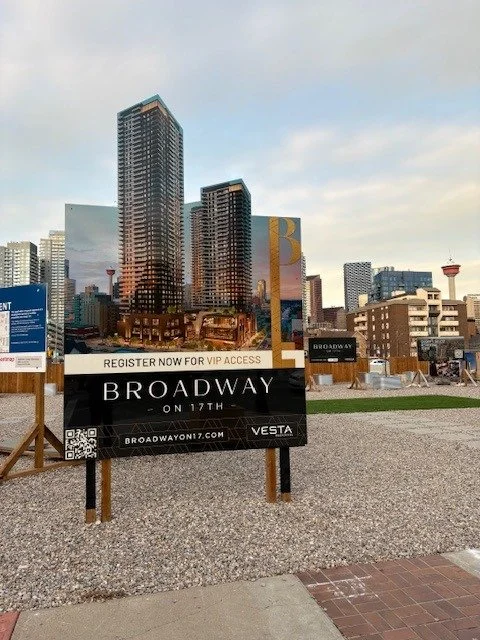
NEW DEVELOPMENT ON 17TH AVE AND 4TH STREET S.W.
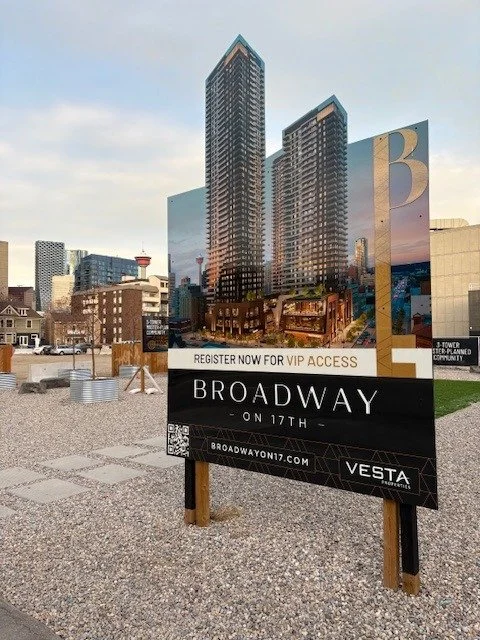
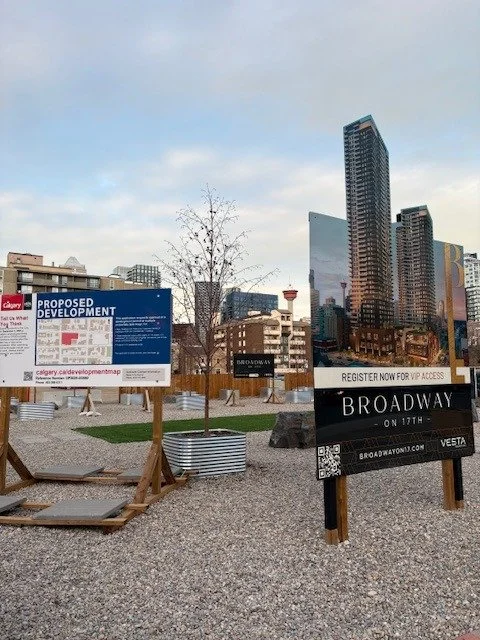
The building going up at 17th Avenue SW and 4th Street SW is called Broadway on 17th, a major mixed-use development by Vesta Properties.
Here are the key details:
It’s a three-tower project: one 47-storey tower + two ~36-storey towers
Over 1,000 residential units: roughly 700 condos + 300 rentals.
Includes about 70,000 ft² of commercial space: retail, dining, and more at the podium.
There will be a public plaza on the corner of 4th Street & 17th Avenue.
The tallest tower (~47 storeys / ~499 ft) would be the tallest purely residential building in Calgary.
Architect: Zeidler Architecture.
The development got city approval and is part of the ongoing transformation of 17th Ave into a more dense, walkable “main street.”

A FABULOUS LISTING IN BEARSPAW
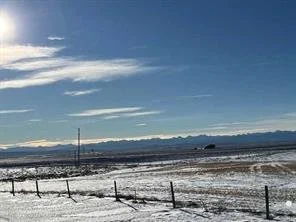
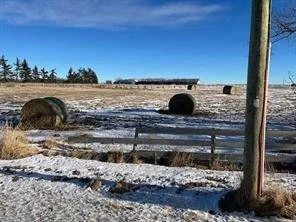
Asking $5,950,000. Calling all developers and investors. Here, you’ll find a fabulous 104.35-acre property in Bearspaw. Bearspaw is one of Calgary's most sought after and popular higher-end communities. Location, location, location. This parcel has it all! The parcel is close to Calgary City limits, next to Highway #1 on Lochend road. The rezoning and subdivision permit for residential development of 2-3 acres should be academic. Here is a distinct possibility of commercial development as well, including Mixed-Use development combining retail, residential and offices. Potential retail uses could be a strip mall, standalone stores or major retailers, while offices could include corporate offices, medical or professional offices. The topography features flat terrain, minimal wetlands or flood risks and no environmental restrictions. Homes on this parcel of land will enjoy stunning and panoramic mountain views. For more information please contact me at 403-703-3864.
Why is ASP Needed?
Before any developer can build a neighborhood or even submit a Tentative Plan, the municipality needs to know:
How the land fits into the city’s long-term growth
Whether utilities and roads can support development
How many people will live there
How to manage traffic, schools, parks, stormwater, and services
Without an Architectural Structure Plan (ASP), subdivision cannot be approved.
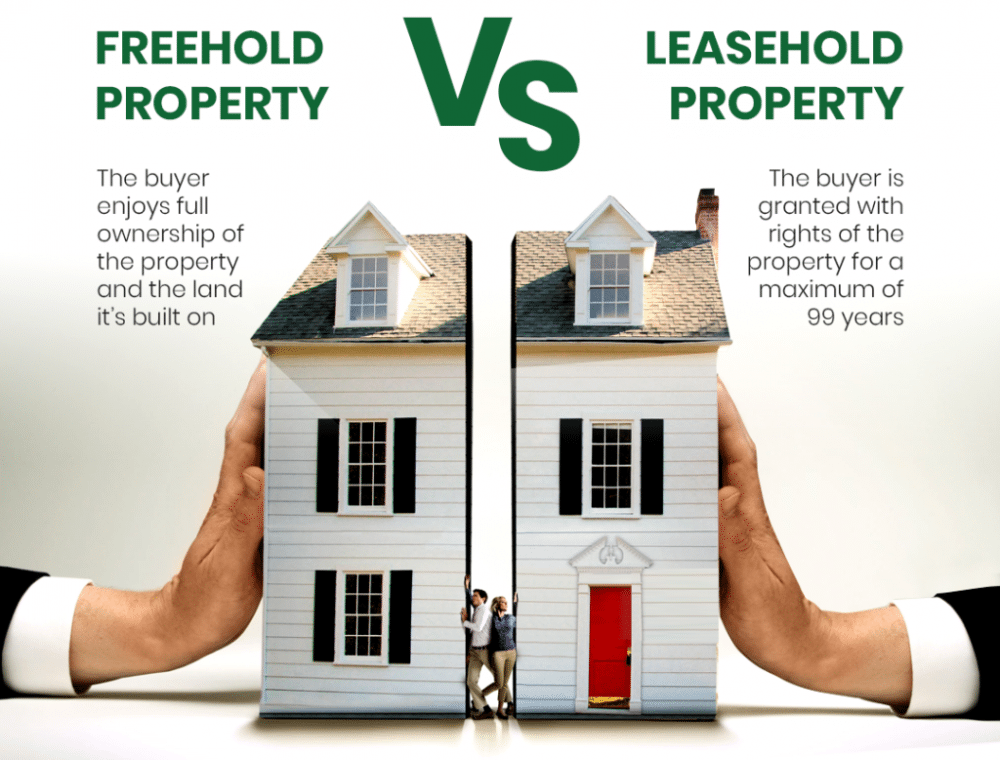
FREEHOLD VS LEASEHOLD PROPERTY
Freehold vs. Leasehold Property: The Key Differences
1. Ownership
Freehold:
You own the land and the building outright, indefinitely.
This is the most complete form of ownership in Canada.
Leasehold:
You do not own the land. You only own the right to use the land (and often the buildings) for a set number of years, through a long-term lease—commonly 50–99 years.
At the end of the lease, the land (and sometimes the buildings) revert to the landowner unless renewed.
2. Who Owns the Land?
Freehold: You.
Leasehold: Typically a government body, First Nation, the City (e.g., City of Calgary land leases), a university, or a private landlord.
3. Control and Flexibility
Freehold:
You have full control of the property (subject to zoning and bylaws). You can sell, renovate, mortgage, or redevelop freely.
Leasehold:
Your rights are limited by the lease agreement. Some leases restrict renovations, renting, redevelopment, or even mortgage terms. Selling may require approval from the leaseholder.
WHY I SUBSRIBE TO COSTAR
Why I subsribe to Costar?
CoStar Group is one of the world’s leading providers of commercial real estate data, analytics, and research. The company collects, verifies, and compiles an enormous amount of information on properties, tenants, transactions, market rents, vacancy rates, land sales, and new developments across North America and internationally. CoStar’s platform offers real-time market intelligence that investors, brokers, lenders, appraisers, and developers rely on to make informed decisions.
CoStar uses a combination of field researchers, satellite imagery, public records, AI-driven data processing, and direct property-owner interviews to maintain one of the most comprehensive commercial property databases available. Its tools allow users to analyze market trends, run comparable sales and lease reports, evaluate investment opportunities, track construction pipelines, and monitor demographic or economic indicators.
In addition to its core analytics system, CoStar owns several complementary platforms, including LoopNet (for commercial listings), Ten-X (for online commercial property auctions), STR (hotel data and analytics), and Apartments.com
(multifamily listings and insights).
Overall, CoStar helps real estate professionals reduce risk, improve accuracy, and gain competitive advantage by providing the most detailed and verified commercial real estate information in the industry.
WHAT IS AN AREA STRUCTURE PLAN?
What is an AREA STRUCTURE PLAN?
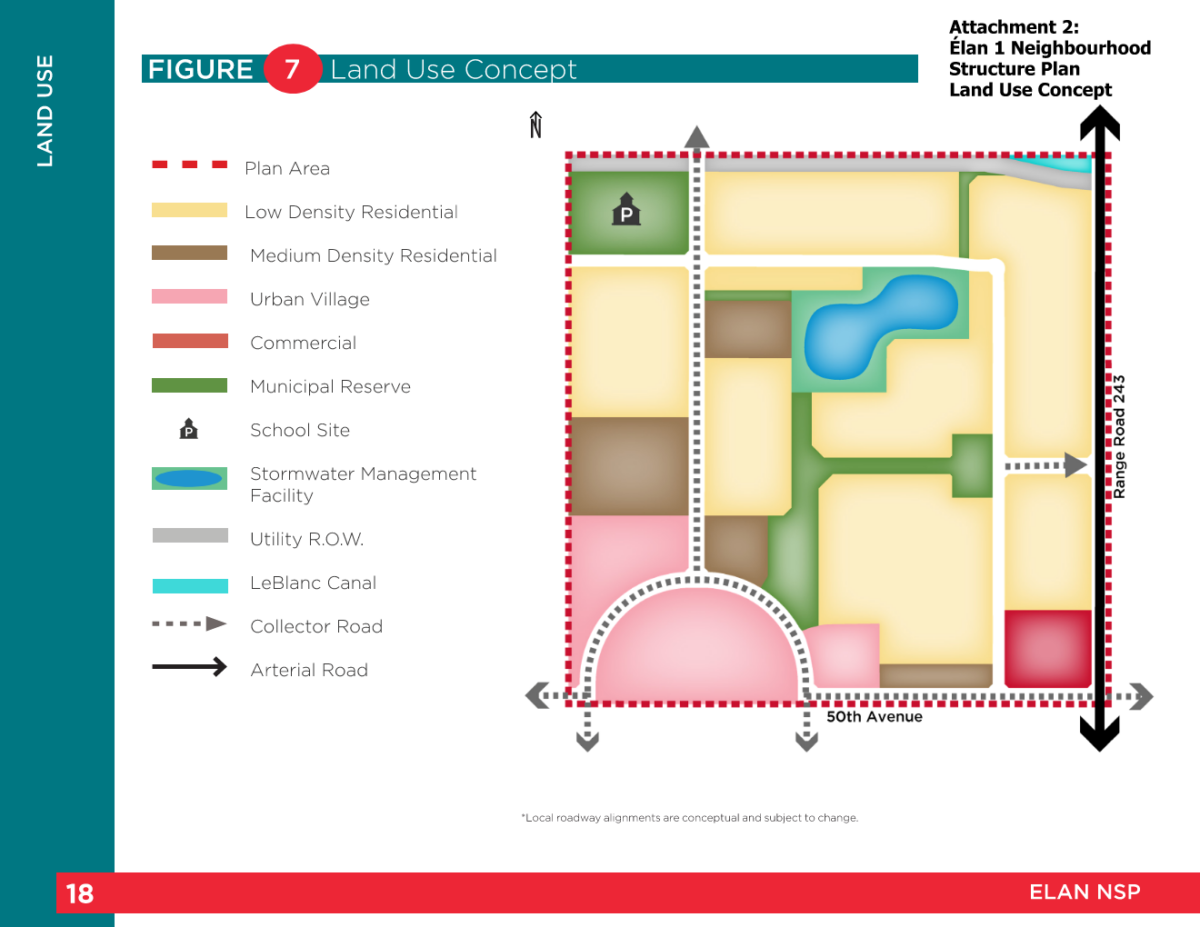
An Area Structure Plan (ASP) decides the big-picture blueprint for how a large area of land will grow and develop over the next 10–30 years.
Think of it as the master plan that tells developers, landowners, and the city what can happen—and what cannot happen—on the land.
Or, to put it in another way, an Area Structure Plan (ASP) is a high-level planning document used by municipalities to guide how a large area of land will develop over the long term — usually over hundreds of acres or multiple future neighborhoods.
Think of it as the big-picture blueprint that must be approved before any neighborhood plans, subdivisions, or development can happen.
An ASP is the master plan for a large area of land.
So, the ASP determines what can eventually be built and how the whole area will function, long before individual lots are created. It’s what developers, investors, and municipalities use to plan infrastructure, densities, and servicing.
Above is an example of ASP.

TESTIMONIAL FROM A HAPPY CLIENT
Here is a testimonial from a happy client, Tarvinder Singh.
HAPPY CLIENT
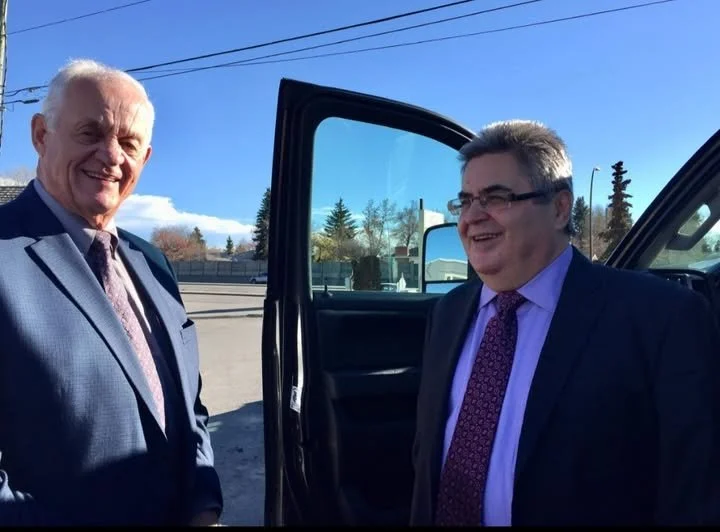
Always happy to reconnect with happy clients. This is a part of my job that is very enjoyable, meeting up with my clients after the transaction has taken place. Here I am with Art Hanger, former MP.
What is a section and how is it measured?
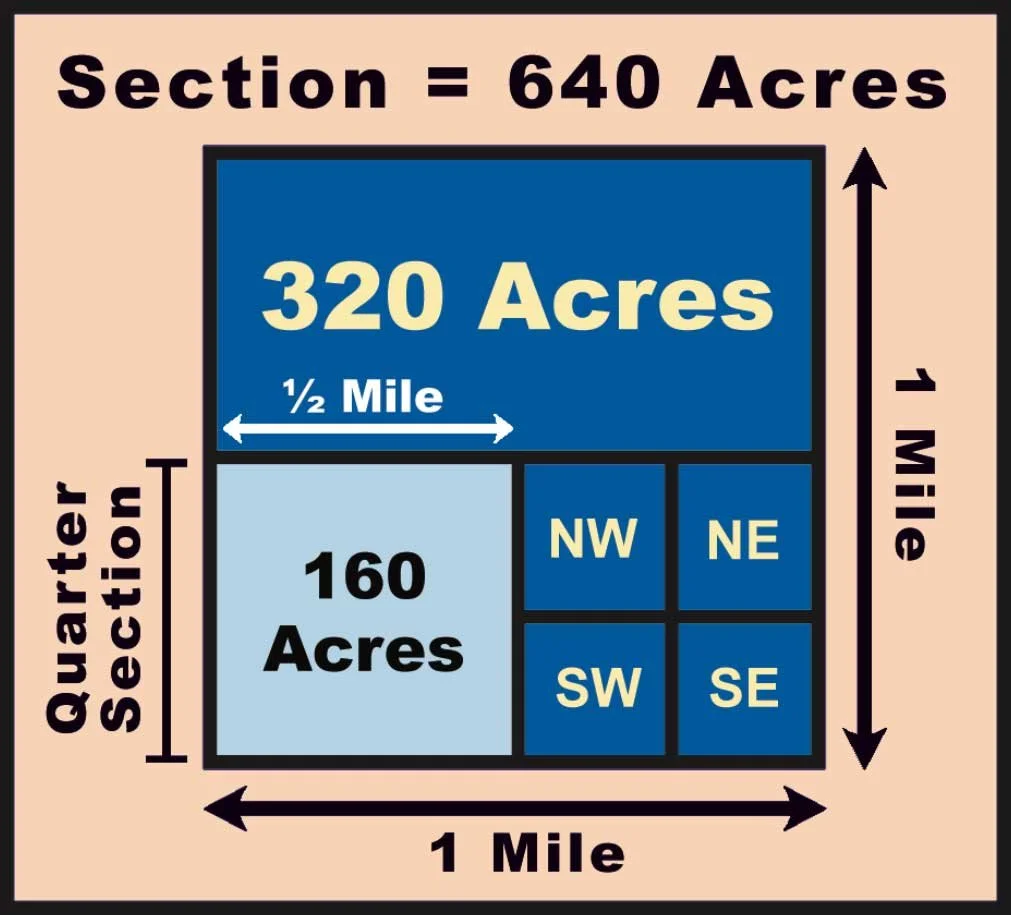
A section is a fundamental land unit used in the Dominion Land Survey (DLS) system, which covers most of Western Canada, including Alberta. It is one of the most important measurements for anyone dealing with farmland, country residential land, or large development parcels around Calgary.
What is a Section? A section is a square parcel of land that measures:
1 mile by 1 mile, or 5,280 feet by 5,280 feet, or 1.609 km by 1.609 km
Total Area. A full section contains: 640 acres, or 259 hectares

CHESS IS A STRATEGY GAME, WHERE EACH OPPONENT TRIES TO ACQUIRE MORE LAND, USING THIS ADVANTAGE TO CHECKMATE THE OPPONENT’S KING
As the former president of the Calgary chess club, I had the opportunity to have coffee with Calgary's only chess grandmaster,
GM Eric Hansen (left) and GM Aman Hambleton, from Halifax, Nova Scotia and Toronto, Ontario.

SELLING LAND IS MEETING PEOPLE
Her Selling land means meeting buyers, investors and other professionals in the business.

STEVE SKLENKA REAL ESTATE USES
TOP NOTCH PHOTOGRAPHY
When you hire Steve Sklenka Real Estate to sell your home, you will get only the very best in photography.
We offer Real Estate Photography, Videography such as 3D tours, Drone, High Dynamic Range (HDR) photography, and much more. We don’t do “In house” photography, in most cases.
Rather, we only use Calgary’s most experienced and professional photographers. These professionals use high end, state of art photography equipment ensuring that your property gets presented in its most favorable light.
When you hire us to sell your property, you can be confident that this unique attribute delivers a competitive advantage that is highly esteemed by our clients. Find out more here:

The Calgary Dragon Boat Race & Festival in 2025 is scheduled to take place from August 8th to 10th at North Glenmore Park.
This free, family-friendly event features two days of exhilarating dragon boat racing, a variety of cultural performances on the main stage, and a marketplace with local vendors and food trucks.
Spectators can enjoy the vibrant atmosphere, watch the races on the water, and participate in community celebrations, all with free admission and convenient shuttle services from Mount Royal University for parking.
5 THINGS TO TO TO WINTERIZE YOUR HOME


1. Seal Drafts and Insulate
Inspect windows and doors: Use weatherstripping or caulk to seal gaps that let in cold air.
Add insulation: Check attic, walls, and crawl spaces for sufficient insulation. Upgrading it can save on heating costs.
Cover windows: Use thermal curtains or plastic window film for added insulation.
2. Service Your Heating System
Schedule a furnace check-up: Have a professional inspect and tune-up your furnace or boiler.
Replace filters: Change filters in your heating system regularly for efficiency.
Consider a programmable thermostat: This can help maintain optimal temperatures and lower energy bills.
3. Protect Pipes from Freezing
Insulate exposed pipes: Use pipe insulation or heat tape on pipes in unheated areas.
Let faucets drip: During extreme cold, this prevents pressure buildup that causes pipes to burst.
Drain outdoor water systems: Shut off and empty garden hoses, outdoor faucets, and sprinkler systems.
4. Prepare Your Roof and Gutters
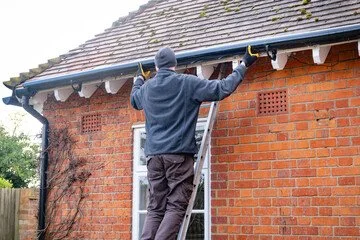
Clean gutters: Remove leaves and debris to prevent ice dams.
Inspect the roof: Check for missing shingles or damaged flashing and make repairs to avoid leaks.
Add roof heating cables: In areas prone to heavy snow, these can prevent ice buildup.
5. Ensure Safety
Test smoke and carbon monoxide detectors: Replace batteries to ensure they're working.
Stock emergency supplies: Keep flashlights, blankets, and non-perishable food handy in case of power outages.
Trim trees near the house: Prevent damage from falling branches during storms.
By taking these steps, you'll create a safer, more energy-efficient home for winter! 🌨️
BUYER’S GUIDE AND INFO
THE FIVE THINGS YOU NEED TO KNOW AS A NEW HOME BUYER
1. Understand the Market: Alberta's real estate market can be quite dynamic, especially in cities like Calgary and Edmonton. Research current market trends, property values, and future projections. Pay attention to factors like employment rates, economic conditions, and local amenities which can influence property prices.
2. Get Pre-Approved for a Mortgage: Before you start house hunting, get pre-approved for a mortgage. This will give you a clear idea of your budget, strengthen your bargaining position, and show sellers that you are a serious buyer. Shop around for the best mortgage rates and terms.
3. Consider Location Carefully: The location of your new home is crucial. Consider proximity to work, schools, public transportation, healthcare, shopping, and recreational facilities. Neighbourhood safety and future development plans can also impact the long-term value and desirability of your home.
4. Inspect the Property Thoroughly: Hire a professional home inspector to thoroughly evaluate the condition of the property. They will identify potential issues with the structure, plumbing, electrical systems, and more. Knowing the true state of the home can save you from unexpected repair costs and give you leverage in price negotiations.
5. Budget for Additional Costs: Be prepared for additional costs beyond the purchase price of the home. These can include closing costs, property taxes, home insurance, maintenance, and potential renovations. It's essential to have a financial cushion to cover these expenses and ensure you're not overextending yourself.
Taking these steps can help you make a more informed and confident decision when buying a home in Alberta.
VIDEOS

WORK/LIFE BALANCE


Work-life balance is the equilibrium between professional responsibilities and personal activities, ensuring that neither aspect overshadows the other. It involves managing time and energy to meet work commitments while also prioritizing family, hobbies, and self-care.
Achieving this balance is crucial for overall well-being, as it reduces stress, enhances productivity, and fosters a healthier, more fulfilling lifestyle.
Effective work-life balance is characterized by setting boundaries, prioritizing tasks, and taking time for rest and recreation, ultimately leading to a more harmonious and satisfying life.
1. Set Clear Boundaries: Define specific work hours and personal time, ensuring you switch off from work to focus on family, hobbies, and relaxation. Communicate these boundaries to colleagues and supervisors.
2. Prioritize Tasks: Focus on completing high-priority tasks first, both at work and in personal life. Use tools like to-do lists or project management apps to stay organized and efficient.
3. Schedule Downtime: Allocate time for breaks and leisure activities throughout your day. Regular intervals of rest can improve productivity and mental health.
4. Embrace Flexibility: Where possible, take advantage of flexible working arrangements such as remote work or adjusted hours. Flexibility can help accommodate personal needs without compromising professional responsibilities.
5. Practice Self-Care: Invest time in activities that promote physical and mental well-being, such as exercise, meditation, or pursuing hobbies. A healthy body and mind are essential for maintaining balance and preventing burnout.
DYNAMIC EDMONTON : THE NEXT “HOT” HOUSING MARKET




Steve Sklenka Real Estate, is one of the only agents in Calgary to have exclusive access to exclusive in-depth search of Edmonton listings. See link : Edmonton Listings
Edmonton, is a vibrant metropolis nestled along the North Saskatchewan River. Boasting a rich cultural tapestry, Edmonton offers a blend of urban sophistication and natural beauty.
With a diverse population, it embraces multiculturalism, evident in its festivals, cuisine, and arts scene. The city's skyline is punctuated by modern skyscrapers juxtaposed with historic landmarks like the Alberta Legislature Building. Nature lovers are drawn to the vast green spaces, including the North Saskatchewan River Valley, which provides ample opportunities for outdoor activities such as hiking, biking, and picnicking.
Edmonton is also a hub for sports enthusiasts, home to the Edmonton Oilers hockey team and the Edmonton Eskimos football team. Beyond its bustling downtown core, Edmonton's neighborhoods exude charm and character, each contributing to the city's dynamic identity.
Whether exploring its museums, enjoying its culinary delights, or immersing oneself in its natural wonders, Edmonton offers something for everyone to discover and enjoy.
The housing market in Edmonton reflects a dynamic interplay of various factors, influenced by both local and global trends. Historically known for its affordability compared to other major Canadian cities, Edmonton's housing market has experienced fluctuations in recent years, closely tied to the region's economic landscape. With a significant presence in the oil and gas industry, the city's housing market can be sensitive to fluctuations in commodity prices and employment levels within the sector. However, Edmonton's real estate market also benefits from a diverse economy, including sectors like healthcare, education, and technology, which contribute to overall stability.
In recent times, the market has seen shifts in supply and demand dynamics, impacting housing prices and inventory levels. Factors such as population growth, migration patterns, and government policies also play crucial roles in shaping the housing market landscape. Despite periodic fluctuations, Edmonton continues to offer a range of housing options to meet diverse needs, from single-family homes in suburban neighborhoods to trendy condominiums in the downtown core.
The city's urban development initiatives, along with investments in infrastructure and transportation, further contribute to the evolution of its housing market. Additionally, initiatives aimed at promoting sustainable and affordable housing solutions align with broader community goals and aspirations. As Edmonton continues to grow and evolve, its housing market remains a dynamic reflection of the city's ever-changing economic, social, and environmental dynamics.
On average, housing prices in Edmonton are lower than in Calgary.
To view properties in Edmonton, please call us at, 403 703-3864 and/or click this link.
How much did the house prices rise in Calgary
over a 12 month period?

Calgary saw a huge rise in house prices, with a whopping $76,505 increase on average. The average Calgary house price in February 2023 sat at $506,655, which rose to $583,160 in February 2024; representing an increase of 15.1%.
“The national average rise in the benchmark house price was $4,400, meaning that house prices in Calgary have risen over 17 times the national average over the past 12 months.
Thinking about selling your home? Give us a call at 403-703-3864 or visit our website at
RARE OPPORTUNITY!!! A DEVELOPER’S DREAM
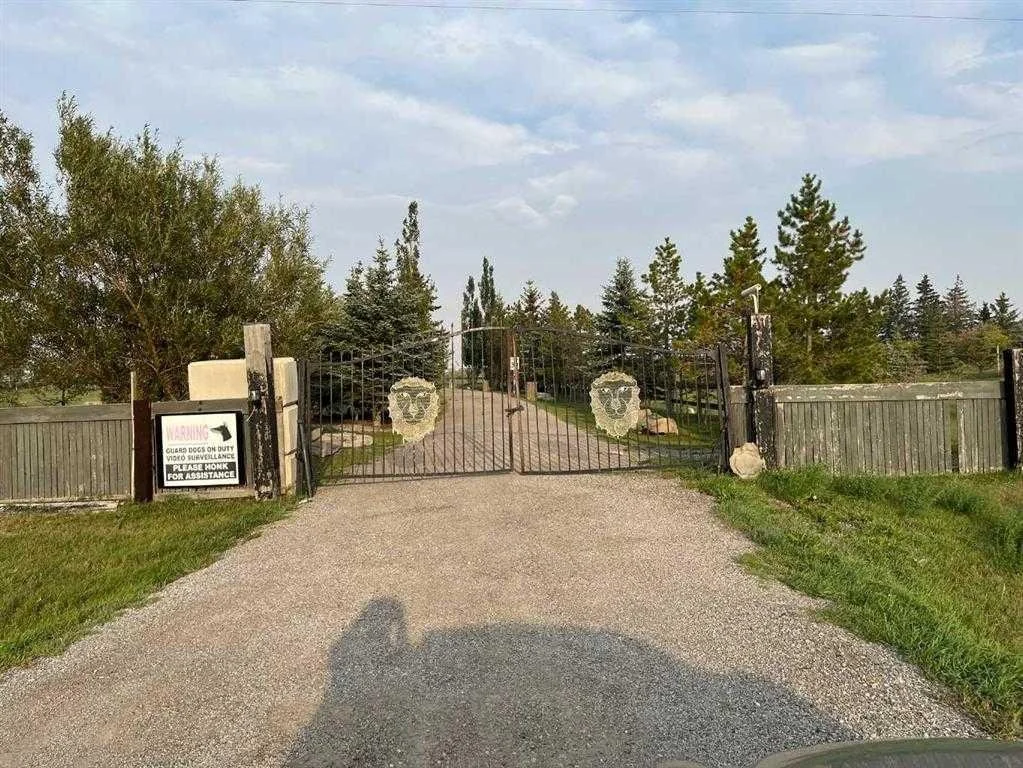
241036 RR 272, RURAL ROCKY VIEW COUNTY
$1,290,000 (NEW LISTING)
Here you'll find a rare opportunity to own 19.0+ acres with a spacious 3444 sq. ft. home near Langdon. Yes, home may need some TLC, but there is a triple garage, 4 bedrooms , 3 baths, and much, much more. The basement is fully developed with a huge arcade area and a theater room.
There is lots of room to have horses, hobby farm or whatever your heart desires in the back of the house. You can have your own garden and grow tons of vegetables, if you like. This acreage is only minutes away from the town of Chestermere. There is telephone, natural gas, paved road, overhead electrical, private driveway, septic system, open ditch, 2 barns and a well.
Havilland Aircraft of Canada recently purchased a property nearby, with the anticipation of creating 1500 jobs. This acquisition should have a favorable impact on the land values in the vicinity. No RPR and this Property sold "as is".
CLICK HERE TO VIEW THE LISTING
FOR MORE INFORMATION, OR TO ViEW THE PROPERTY, PLEASE CALL ME AT: 403 703 3864, OR EMAIL: stevesklenka@remax.net
CALGARY’S NEW GREEN LINE LRT

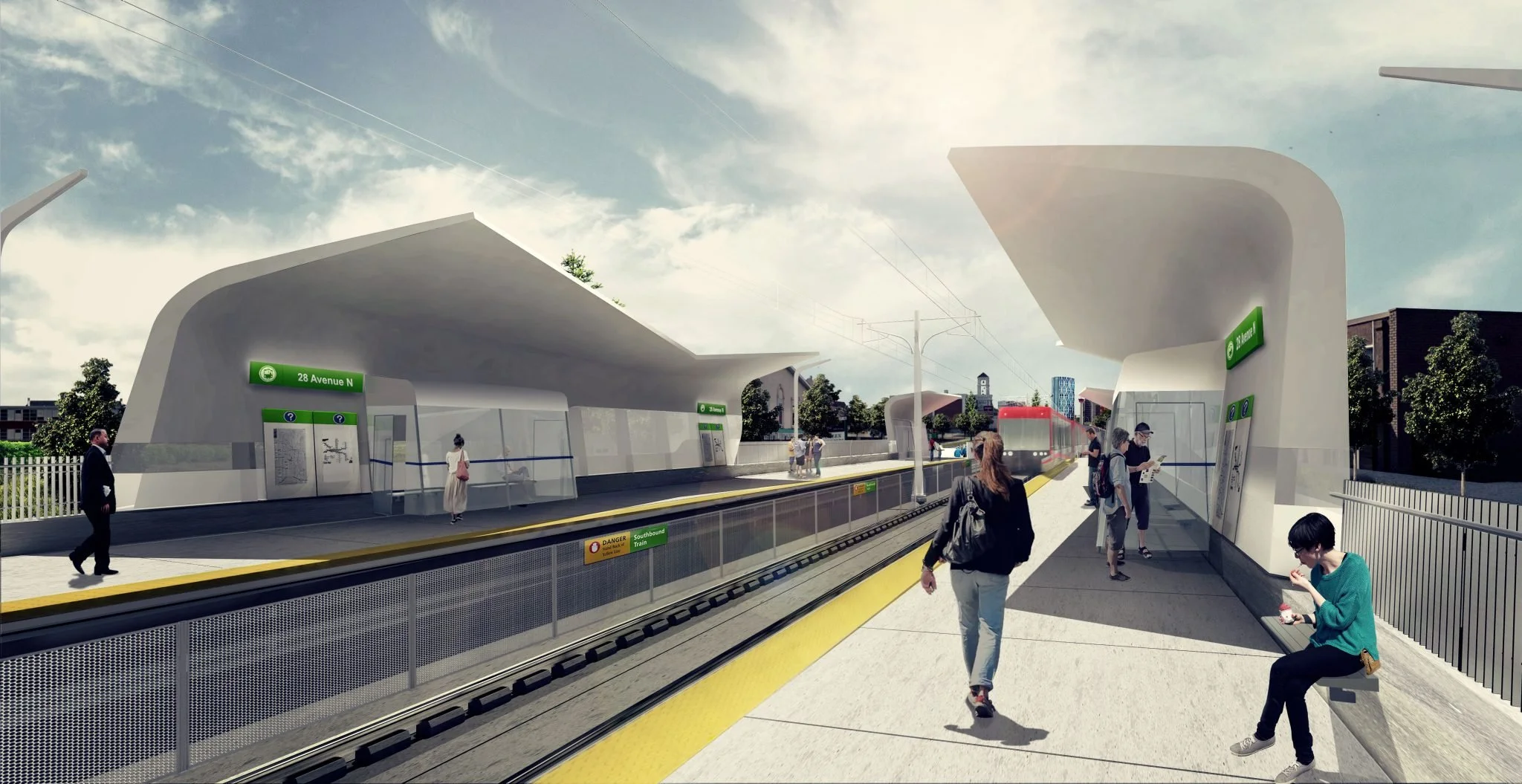
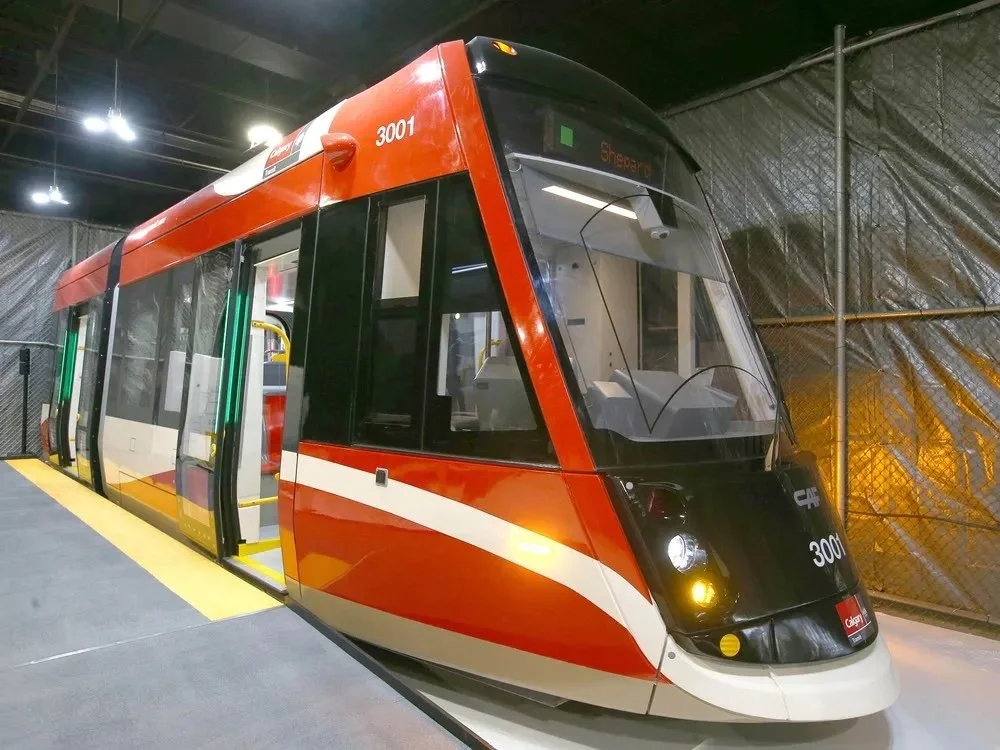
All Aboard the Eco-Friendly Express: Exploring Calgary's New Green Line
In the heart of Calgary, Alberta, a new era in sustainable transportation is dawning with the inauguration of the city's highly anticipated Green Line train. As the city evolves and grows, so too does its commitment to environmental stewardship and efficient public transit. The Green Line represents a significant milestone in Calgary's journey towards a greener, more accessible future.
A Pathway to Sustainability
Calgary's Green Line is not just a mode of transportation; it's a symbol of the city's dedication to sustainability. Stretching across 46 kilometers, the Green Line aims to reduce greenhouse gas emissions, alleviate traffic congestion, and provide residents with a convenient and eco-friendly way to traverse the city.
Connecting Communities
One of the most exciting aspects of the Green Line is its ability to connect diverse communities across Calgary. From the bustling downtown core to suburban neighborhoods, the Green Line creates a vital link, fostering social cohesion and economic growth. Commuters will now have seamless access to employment centers, educational institutions, and recreational amenities, enhancing overall quality of life.
Accessibility for All
Inclusivity is at the forefront of the Green Line's design. With its network of stations equipped with ramps, elevators, and other accessibility features, the Green Line ensures that all members of the community can enjoy its benefits. This commitment to accessibility empowers individuals with disabilities and seniors, enabling them to participate fully in the city's social and economic life.
Economic Boost
The Green Line isn't just a win for the environment—it's also a catalyst for economic development. By connecting neighborhoods and commercial districts, the Green Line stimulates investment, revitalizes underutilized areas, and creates job opportunities. As businesses along the Green Line thrive, so too does Calgary's economy, fueling prosperity for years to come.
Riding into the Future
As Calgary embraces the Green Line, it sets a precedent for sustainable urban development and forward-thinking transportation planning. By prioritizing public transit and reducing reliance on single-occupancy vehicles, the city paves the way for a more resilient and livable future.
Conclusion
The launch of Calgary's Green Line marks a significant milestone in the city's evolution. With its emphasis on sustainability, connectivity, and accessibility, the Green Line represents more than just a train—it's a symbol of progress and possibility. As Calgarians embark on this new journey, they do so with the knowledge that they are shaping a brighter, greener future for generations to come. All aboard the eco-friendly express—next stop, a sustainable tomorrow!
UPGRADE YOUR OUTDOOR SPACE
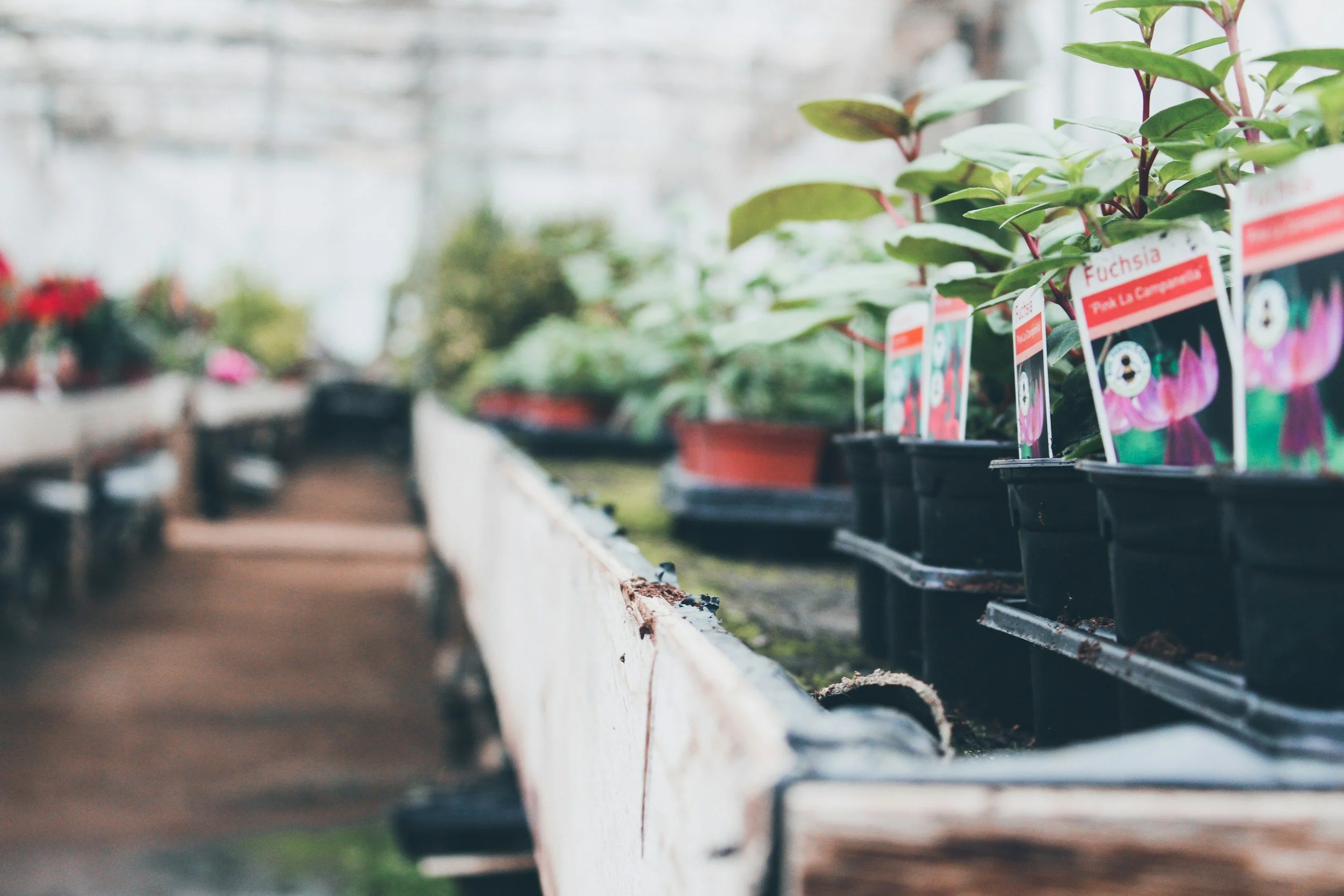

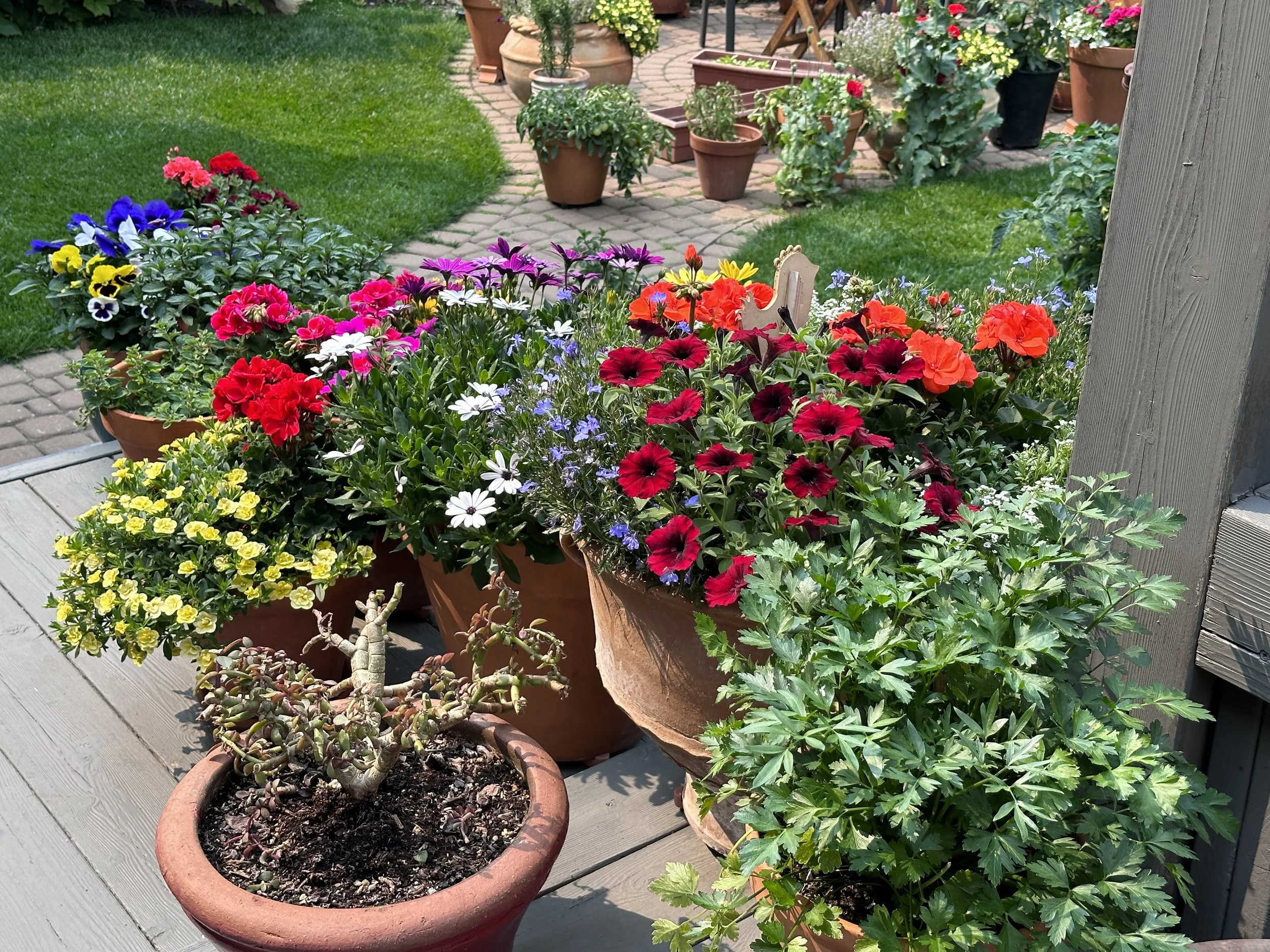
Whether you are looking to sell your property or just upgrade your outdoor space; getting your garden ready, and planting the right plants for the season is the key. It’s often referred to as “curb appeal.”
Planting a garden is a surefire way to enhance curb appeal and add character to any home. By carefully selecting a variety of colorful flowers, lush greenery, and decorative shrubs, you can create a welcoming and inviting entrance that instantly captivates passersby. Incorporating seasonal blooms ensures year-round interest, while strategically placing plants to frame pathways and accentuate architectural features adds visual interest.
Consider layering plants of varying heights to create depth and dimension, and don't forget to incorporate elements like mulch or decorative stones to define borders and add a polished finish. With thoughtful planning and regular maintenance, a well-planted garden not only elevates the aesthetic appeal of your home but also creates a lasting impression that leaves a positive impact on visitors and potential buyers alike.
A sustainable garden: Utilizing organic gardening techniques, such as natural pest control and soil enrichment, fosters a healthy ecosystem and reduces reliance on synthetic chemicals. Additionally, incorporating features like permeable paving and drought-tolerant plants helps conserve water and mitigate runoff, contributing to overall water efficiency. A sustainable garden not only provides a sanctuary for wildlife but also serves as a model of environmental stewardship, inspiring others to cultivate green spaces that nourish both people and the planet.
EXCITING NEWS…

We have exciting news today! We are moving our office to RE/MAX Real Estate (Central).
RE/MAX Real Estate (Central) has been the #1 RE/MAX office in the world for the past 25 years.
The office is located at: 5211 - 4th Street, NE, Calgary, AB, T2K 6J5 , Office (403) 216-1600
CALGARY AND THE HOUSING MARKET
In the heart of Alberta's prairies, Calgary boasts a dynamic blend of urban sophistication and natural beauty. Renowned for its vibrant energy and entrepreneurial spirit, Calgary stands as the economic powerhouse of western Canada.
The city's skyline is dominated by sleek skyscrapers, symbolizing its status as a hub for finance, technology, and energy industries. Yet, amid this bustling metropolis lies a deep appreciation for outdoor recreation, with the majestic Rocky Mountains serving as a breathtaking backdrop.
One of Calgary's standout features is its cultural diversity, reflected in its lively festivals, eclectic cuisine, and thriving arts scene.
The annual Calgary Stampede, often dubbed "The Greatest Outdoor Show on Earth," draws visitors from around the globe with its exhilarating rodeo events, live music performances, and vibrant carnival atmosphere.
Beyond the Stampede, residents and visitors alike can explore the city's rich heritage at museums like Glenbow Museum and Heritage Park Historical Village, or unwind in the lush green spaces of Prince's Island Park and Nose Hill Park.
With its winning combination of economic opportunity, cultural richness, and natural splendor, Calgary truly shines as a gem of the Canadian prairies.
MARKET REPORT & STATISTICS
The Calgary housing market exhibits a dynamic landscape characterized by its responsiveness to the fluctuations in the energy sector, particularly oil prices. Historically, the city has experienced periods of rapid growth and stability, driven by its robust economy and steady population influx.
However, the market can also face challenges during downturns in the oil and gas industry, leading to temporary declines in home prices and sales activity. Despite these fluctuations, Calgary's real estate market remains resilient, with a diverse range of housing options catering to various lifestyles and budgets.
From upscale condominiums in the downtown core to sprawling suburban homes in family-friendly neighborhoods, Calgary offers something for everyone.
Additionally, recent efforts to diversify the economy and invest in sustainable development projects have contributed to a renewed sense of optimism in the housing market, positioning Calgary as a promising destination for both homeowners and investors alike.
PLEASE MAKE YOUR COMMENTS OR ASK QUESTIONS IN THE FORM BELOW:
Best Return on Investment Home Improvements for Your Home



Owning a home involves a continuous effort to improve both its comfort and market worth.
Implementing thoughtful upgrades can not only improve your quality of life but also lead to significant financial gains upon selling.
This detailed guide will discuss the most effective home enhancements that yield the highest return on investment (ROI), combining functionality with value to develop an environment that is both visually appealing and economically advantageous.
THE SALE OF THE HISTORIC IRRICANA HOTEL
The historic Irricana Hotel is up for sale, with a current price set for just under $90,000 for the 111-year-old building.
Built in 1910, the hotel was once a bustling venue for drinks and conversation, but it now sits empty and uninhabited.
